Durable retaining wall solutions built for long term stability.
Umbrella Constructions is a retaining wall contractor serving the Greater Vancouver Area with professional retaining wall construction for residential, commercial, and builder-led projects. If you are a homeowner improving a sloped yard, a general contractor coordinating multiple trades, or a builder needing a dependable retaining wall contractor for site work, the goal is the same: a retaining wall that is structurally sound, drains properly, and looks clean when the job is done.
We are trusted for projects that require a high standard of workmanship, clear coordination, and a finish that looks intentional. Our work is built around the fundamentals that drive retaining wall performance: soil retention, compaction, backfill structure, drainage control, and alignment.

Our Projects
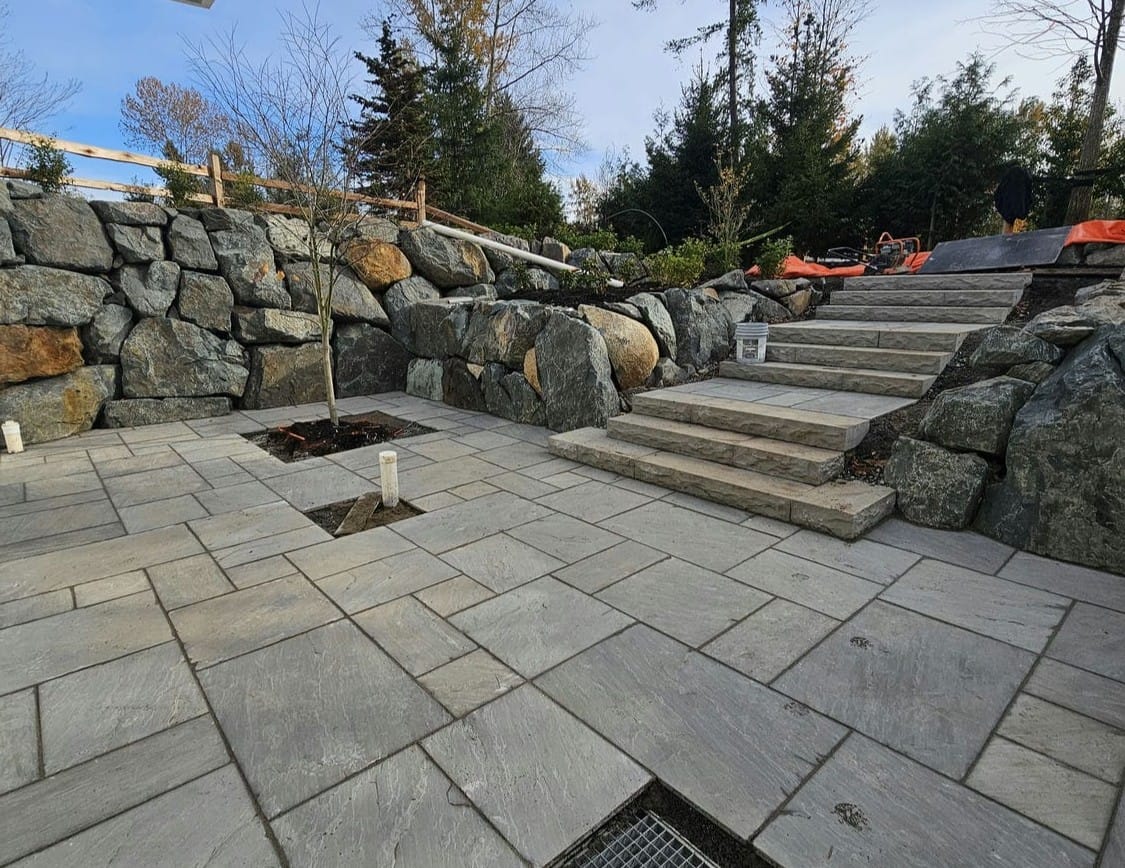
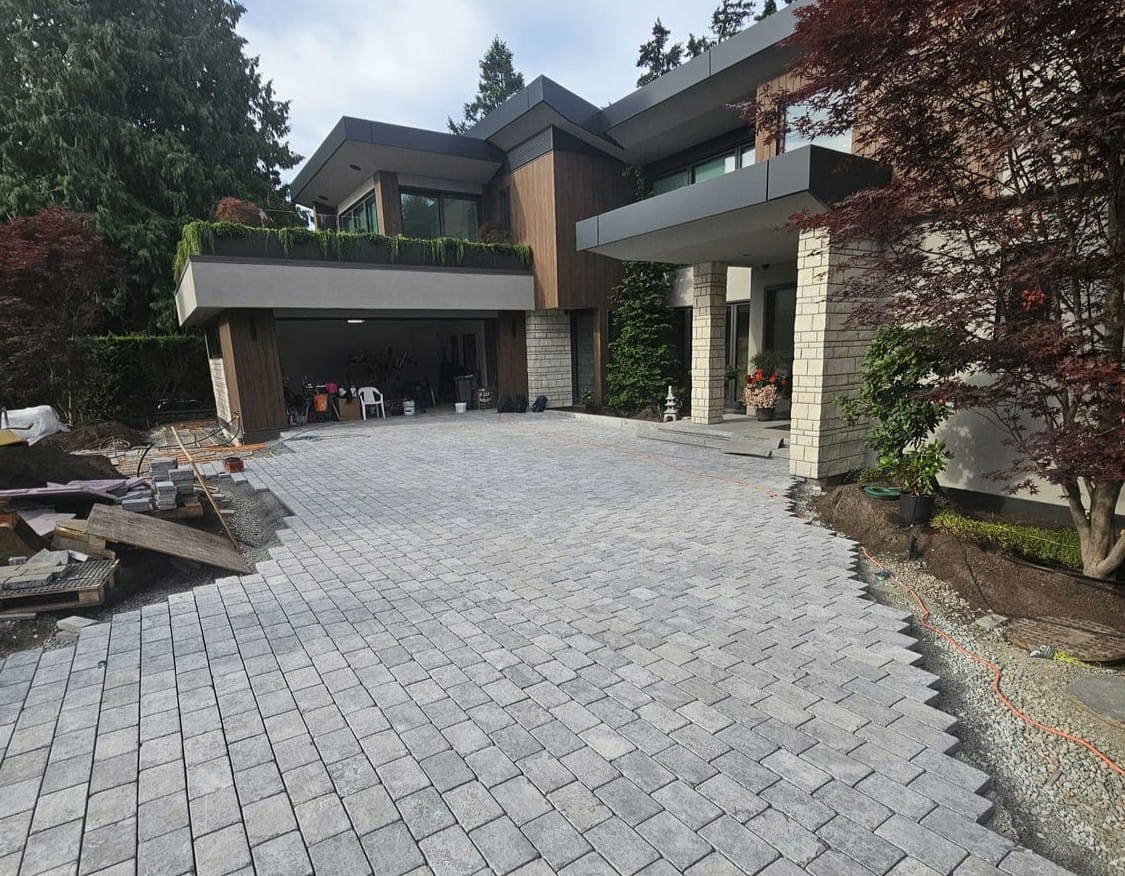
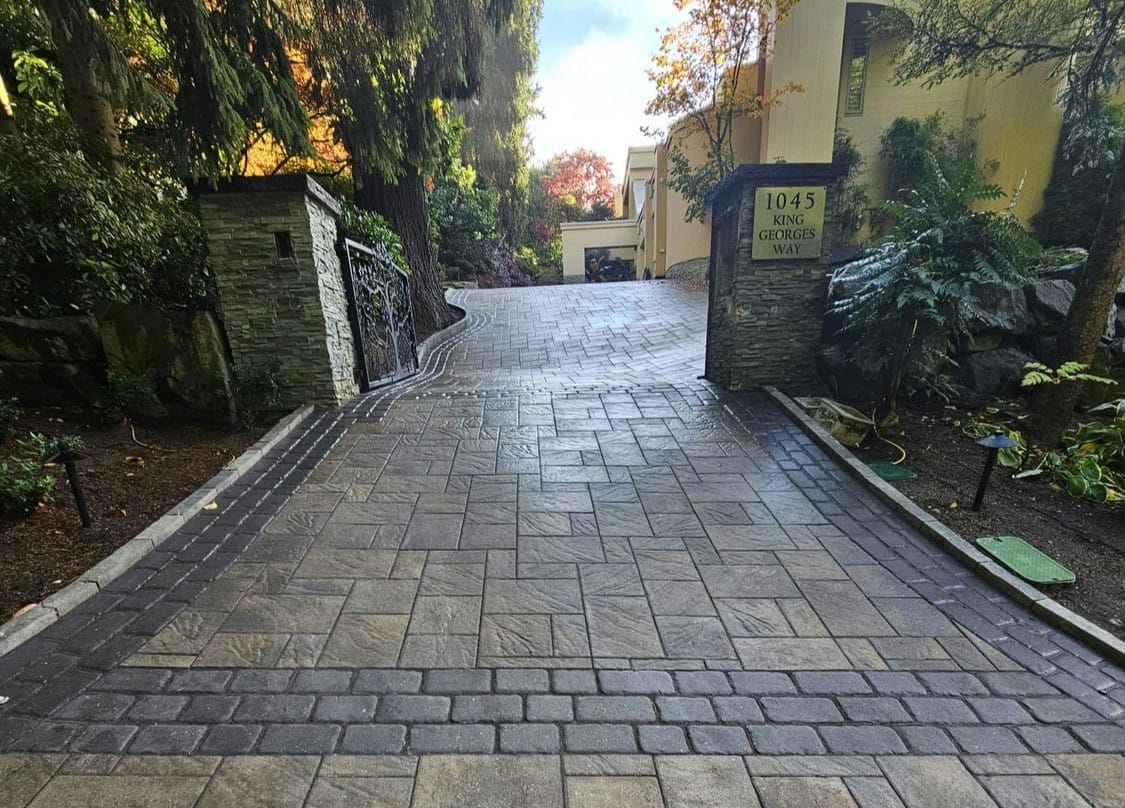
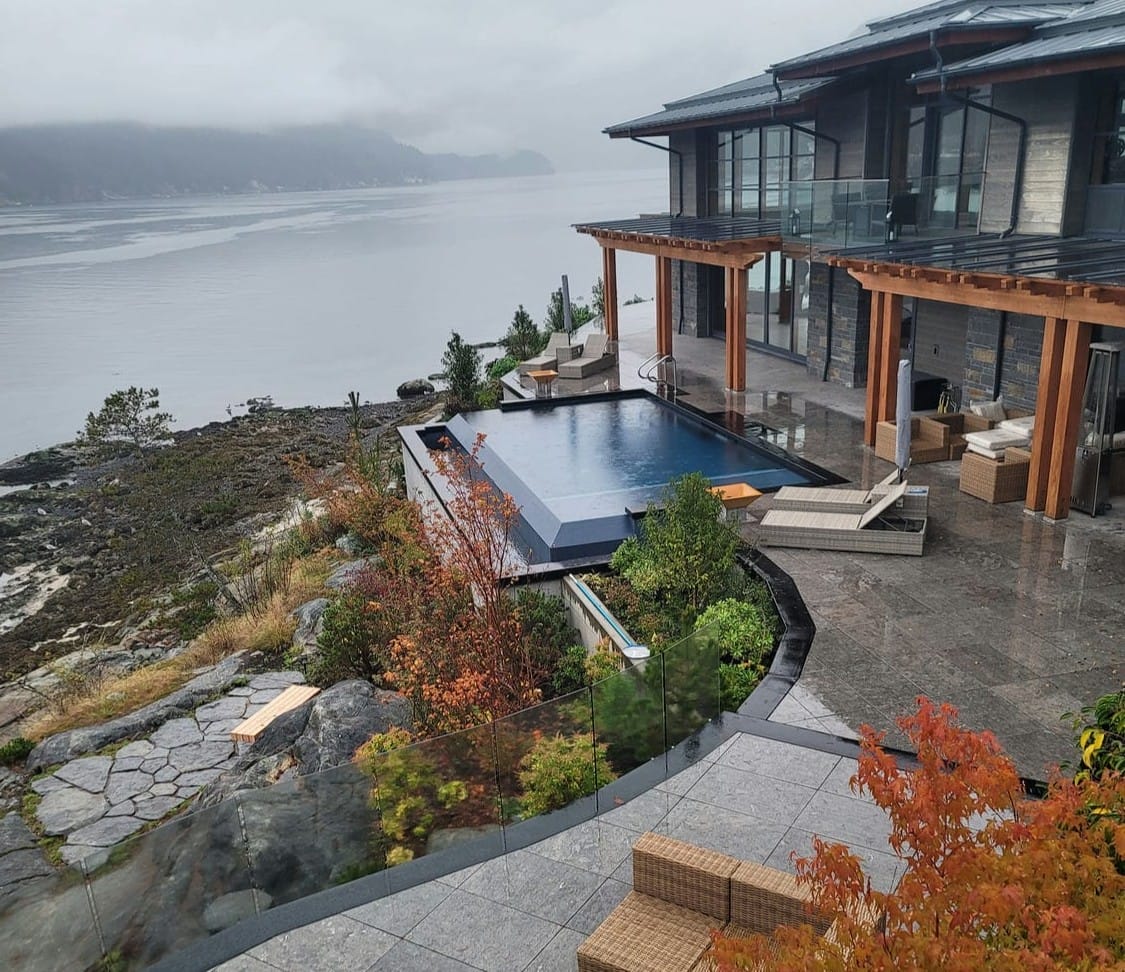

Built the Right Way from the Ground Up
A retaining wall is only as reliable as the process behind it. Many walls fail because the critical work below grade is rushed or ignored. Our construction approach is built around proven methods that control soil pressure, manage water, and deliver long term performance.
Step 1
Site Evaluation and Build Planning
Before any excavation begins, we assess slope conditions, soil behavior, drainage patterns, access limitations, and nearby structures. This allows us to determine the correct wall type, wall height, drainage strategy, and whether reinforcement or engineering is required. Proper planning at this stage prevents design changes and costly corrections later.
Step 2
Excavation to Stable Bearing Conditions
We excavate to reach suitable bearing material that can properly support the wall system. Soft or unstable soils are addressed early rather than buried under the base. This step is essential for preventing settlement, rotation, and long term movement that compromises the wall’s integrity.
Step 3
Structural Base Construction
A properly built base is the foundation of a stable retaining wall. We construct the base using graded aggregate and compact it in controlled lifts to achieve a level, load bearing surface. This keeps the wall aligned, resists movement, and supports the full weight of the structure over time.
Step 4
Integrated Drainage Installation
Drainage is built into the wall system, not added as an afterthought. Drainage stone, perforated drain pipe, and filtration fabric are installed to move water away from the wall and reduce hydrostatic pressure. In Greater Vancouver conditions, this step is critical to long term wall performance.
Step 5
Wall Installation with Precision and Control
The wall structure is installed using the appropriate system for the project, whether that is segmental concrete block, poured concrete, natural stone, or armour stone. Units are placed with consistent alignment and proper batter so the wall performs structurally and presents a clean, professional finish.
Step 6
Reinforcement and Engineered Systems When Required
When wall height, surcharge loads, limited space, or soil conditions demand it, we build reinforced or engineered retaining wall systems. This may include geogrid reinforcement or steel reinforced concrete construction. We work with established systems such as Allan Block and Redi Rock when specified, while ensuring the underlying construction fundamentals are executed correctly.
Step 7
Controlled Backfill and Compaction
Backfill is placed in stages and compacted progressively as the wall is built. This reduces lateral pressure, limits settlement, and maintains proper drainage performance. Controlled backfill is one of the key differences between a wall that lasts and one that slowly fails.
Step 8
Cap Installation and Final Integration
The final stage includes cap installation, grade transitions, and integration with surrounding landscaping or hardscape. These finishing details lock the wall system together and ensure the structure looks intentional, complete, and professionally built.

Retaining Wall Services Across the Greater Vancouver Area
Umbrella Constructions provides retaining wall services throughout the Greater Vancouver Area, working with homeowners, builders, and general contractors on projects that range from residential landscape walls to large structural retaining systems.
Frequently Asked Questions
Here are some of the most common questions we hear from homeowners, builders, and general contractors planning retaining wall projects in the Greater Vancouver Area.
Cost depends on wall height, length, materials, access, excavation requirements, and drainage complexity. Reinforced systems and engineered designs also affect price. The most accurate pricing comes from aligning wall type and construction approach to the actual site conditions.