
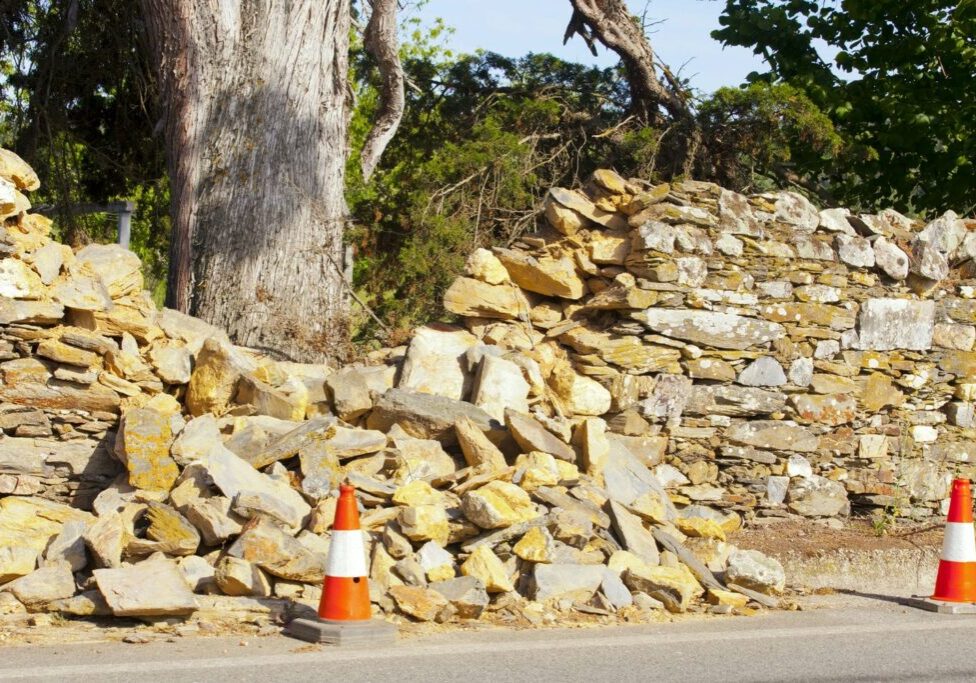
If your retaining wall is leaning, bulging, cracking, or separating, it usually means the wall is moving and losing its ability to hold back soil safely. The safest next step is to treat it like a pressure-and-water problem: keep people away from the area, reduce runoff near the wall, and book an inspection before the movement gets worse. If you want a clear path forward, start with a retaining wall contractor who can assess drainage, base conditions, and the right repair approach for your site.
This guide is for Greater Vancouver homeowners who are noticing new movement, recurring cracks, or wet spots around a wall, especially after long rain stretches. It also applies if the wall supports a driveway, patio, stairs, or a sloped yard where a failure could create a safety issue.
Below, you’ll find a quick urgency guide, the most common failure signs, what causes retaining walls to move in the Lower Mainland, and a practical “what to do next” plan that keeps decisions calm and organized.
When To Monitor Vs When To Act Now
Most retaining wall problems start small, then get worse once water builds pressure behind the wall. A little patience is useful, but “wait and see” is only safe when nothing is actively changing.
Use this section to decide whether you should monitor, book an inspection soon, or treat it as urgent. When in doubt, assume movement is a structural issue, not a cosmetic one.
Quick Severity Guide
Monitor (Lower Concern): Minor surface wear, slight staining, or small chips that do not change over time. Even then, it’s smart to check the wall after heavy rains and at the end of winter.
Book An Inspection Soon (Medium): A noticeable lean, new cracks, small separations between blocks, shifting caps, or persistent wet spots behind or below the wall. These usually mean pressure or settlement is starting to win.
Urgent (High): Rapid movement, bulging, large cracks, soil slumping above the wall, sections separating, or anything near a driveway, entry path, or stairs where a collapse could cause injury or property damage. If the wall is supporting a loaded area, treat it as time-sensitive.
If you feel unsure, that’s a useful signal. Retaining wall failures are often quiet until they are not, especially after a stretch of heavy rain.
The One Rule That Prevents Most Disasters
If the wall is moving, the risk is not just the wall. The risk is what’s above it. Soil can shift, patios and walkways can settle, and fences can lean as the ground changes shape.
Movement also tends to speed up once water is involved. In rainy conditions, saturated soil becomes heavier, and trapped water adds pressure. That is why early action is usually cheaper, safer, and far less stressful than waiting for a bigger failure.
What “Retaining Wall Failure” Actually Means
A retaining wall is failing when it can’t hold back soil and water pressure without ongoing movement. That movement might show up as a forward lean, a bulge in the middle, separation between blocks, or shifting caps.
Failure is not always sudden. Many walls fail in stages. First you see small changes, then you see faster changes, then you see real deformation. Catching the early stage is where you keep the fix straightforward.
Cosmetic Issues Vs Structural Movement
Cosmetic issues usually stay on the surface. Think small chips, light staining, or minor wear that looks the same month after month. These can still be worth improving, but they are not the same as a wall that’s moving.
Structural movement shows up as change. New cracks, widening gaps, a wall that looks more out-of-plumb, or caps that are shifting are all warnings. If something looks different after each heavy rain, treat it as movement until proven otherwise.
The Most Common Signs Your Retaining Wall Is Failing
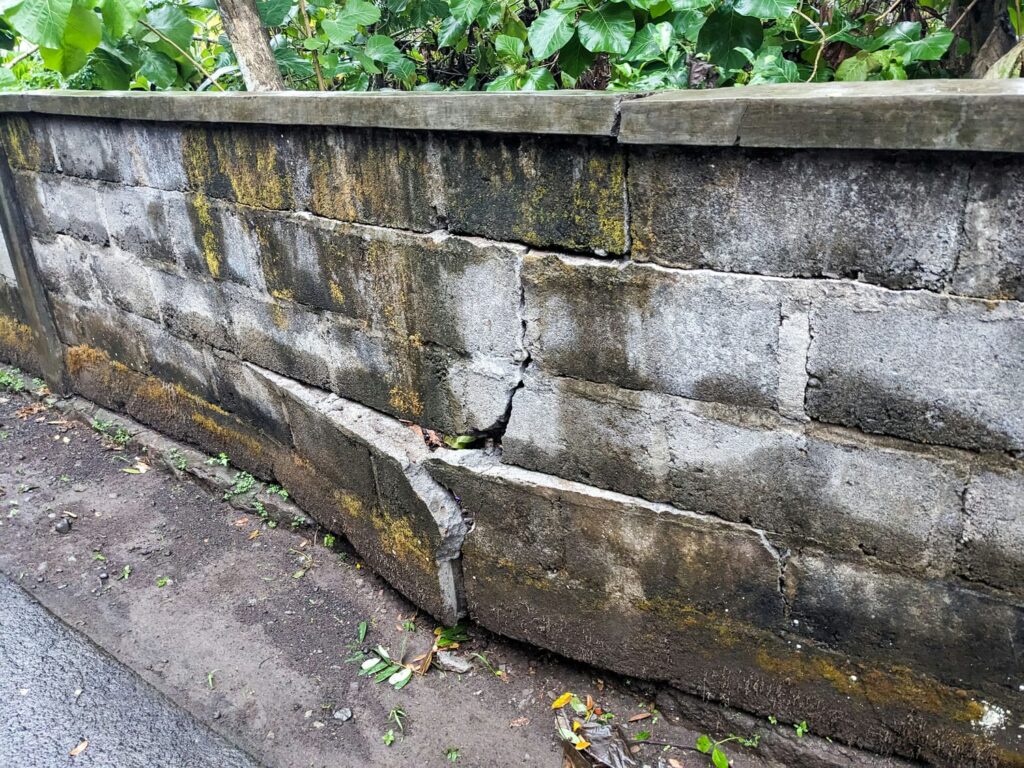
Homeowners often notice one symptom first, but the wall is usually telling a bigger story. A lean might come with wet spots. Cracks might come with soil slumping above the wall. Paying attention to the full pattern helps you choose the right next step.
Below are the most common signs we see in Greater Vancouver. For each one, focus on two things: whether it’s getting worse, and whether water is part of the picture.
A Retaining Wall Leaning Forward
A retaining wall leaning forward is one of the clearest signs the wall is rotating under pressure. In simple terms, the soil behind it is pushing harder than the wall can resist.
A slight lean that has been stable for years is different from a lean that is new or increasing. If you notice the lean more after rainy periods, that often points to water pressure, poor drainage, or saturated backfill increasing the load behind the wall.
Bulging Or Bowing In The Middle
Bulging is usually a higher-risk sign than a uniform lean. It often means pressure is concentrating in the middle of the wall, or parts of the wall system are losing their internal strength.
In rainy climates, bulging frequently ties back to drainage issues behind the wall. Water adds weight and pressure, and it can also weaken soils. If you see bulging, avoid adding any load above the wall and prioritize an assessment.
Step Cracks, Horizontal Cracks, Or Blocks Separating
Step cracks in block walls can indicate movement or settlement. Horizontal cracks can mean the wall is bending under pressure. Blocks separating is a sign the wall system is losing its lock, which reduces stability.
Cracks also create a path for water to enter and freeze-thaw cycles to widen gaps over time. Even if the crack looks small today, the important question is whether it’s new, spreading, or appearing alongside other movement signs.
Gaps Opening At The Top, Caps Shifting, Or Coping Moving
Caps or coping that shift out of place are often an early indicator that something below is moving. Sometimes the cap failure is the first thing you notice because it’s at eye level and easy to spot.
This also matters for safety. Loose caps can become trip hazards, and open joints at the top let more water into the wall system. If caps are moving, don’t just re-adhere them and hope for the best. Confirm the wall underneath is stable first.
Water Seeping Through, Standing Water, Or Missing Drainage Outlets
Water is a common thread in most wall failures. Seepage through joints, persistent damp spots, muddy staining, or standing water near the base can all signal drainage is not working.
Some walls are designed to let small amounts of water escape, but constant seepage is different. If water is present after each rain, the wall is likely dealing with ongoing hydrostatic pressure, and that pressure is what drives leaning and bulging.
Soil Slumping, Sinkholes, Or Cracks In The Ground Above The Wall
Sometimes the ground above the wall shows the problem before the wall face does. Cracks in the soil, slumping, or small sinkholes near the top can signal washout, settlement, or shifting backfill.
This is one reason to keep people away from the area if changes look sudden. Ground movement can affect stairs, patios, and anything near the edge. It’s also a sign the wall may be losing support behind it.
Fence, Stairs, Or Adjacent Hardscape Tilting Near The Wall
A leaning fence, tilting stair landing, or uneven pavers near a wall often means the soil is moving, not just the wall face. The wall and the surrounding hardscape behave as a system.
If you see multiple features tilting in the same direction, that usually indicates settlement or rotation. This is especially important if the wall supports a used space like a patio or walkway, where small changes become safety and drainage problems quickly.
Why Retaining Walls Fail In Greater Vancouver
In the Lower Mainland, rain and runoff are often part of the story. Long wet seasons can saturate soils, add weight, and make small drainage problems feel much bigger. That is why walls that looked “fine” in summer can shift noticeably in fall and winter.
The goal here is not to blame the weather. It’s to understand the common triggers so you can fix the root cause, not just the visible symptom.
Water And Hydrostatic Pressure
When soil becomes saturated, it gets heavier, and the pressure behind the wall increases. If water cannot drain freely, pressure builds, and the wall is forced to resist more than it was designed to handle.
This is why you might see changes after a series of storms. A single rain is not always the issue. It’s the weeks of saturation and trapped water that slowly push a wall out of alignment.
Poor Drainage Details Behind The Wall
Many wall failures are really drainage failures in disguise. If the wall does not have a clear path for water to exit, pressure builds behind it. Over time, that pressure shows up as leaning, bulging, and cracking.
Even when a wall has drainage, it can become clogged or overwhelmed. Organic debris, fine soils, and poor water control at the surface can reduce drainage performance and make the wall work harder than it should.
Weak Base Prep Or Settlement
A wall is only as stable as what it sits on. If the base settles unevenly, the wall can tilt, crack, or separate as sections move at different rates.
Settlement can also show up as gaps opening at the top, caps shifting, or the wall face looking “wavy.” In sloped yards, changes in soil moisture can amplify these effects, especially where water concentrates in certain zones.
Extra Load At The Top Of The Wall
Retaining walls often fail faster when extra weight is added above them. That might be a driveway, a parking pad, a shed, stored materials, or even heavy planters. The wall is not only holding back soil, it’s holding back soil plus the added load.
If your wall supports a driveway or parking area, it helps to think about the driveway and the wall together. The loads, drainage, and transitions should be planned as one system, which is part of how we approach paver driveway installation in the Greater Vancouver Area.
Trees, Roots, And Ground Movement
Roots can push, lift, or disrupt soils, and they can also change how water moves through the ground. Over time, that can contribute to settlement or uneven pressure on the wall.
Seasonal ground changes also matter. Wet-dry cycles can shift soils, especially on slopes. If a wall is already under stress, those cycles can speed up visible movement.
What To Do Next: A Safe, Practical Action Plan
When you notice failure signs, the goal is to reduce risk and stop the problem from accelerating. Most homeowners feel stuck between “panic” and “ignore it.” A simple plan helps you stay calm and make smart decisions.
The steps below prioritize safety, water control, and good information. You don’t need to diagnose everything yourself. You just need to prevent the situation from getting worse while you line up the right help.
Step 1: Treat It Like A Safety Issue First
Start by keeping kids, pets, and foot traffic away from the wall, especially if you see bulging, fresh cracking, or slumping soil above it. Avoid climbing on the wall or standing directly below it if the wall is tall or supporting a slope.
Also avoid DIY “straightening” attempts. Pushing, bracing, or adding weight can change forces in unpredictable ways. The safest move is to reduce water and load until you have a proper plan.
Step 2: Control Water Before The Next Storm
Water control is one of the few things you can do immediately that often helps. Redirect downspouts away from the wall area, extend splash blocks, and make sure surface water is not flowing toward the top of the wall.
If you have irrigation near the wall, pause it until you understand what’s happening. The goal is simple: reduce saturation and prevent new pressure buildup while you arrange an assessment.
Step 3: Document The Movement
Take clear photos from the same angle, at the same time of day if you can. Note the date, and capture reference points like a fence post, stair edge, or corner. This makes changes easier to spot, and it helps a contractor understand whether movement is active.
If you want a simple check, look for widening gaps, growing cracks, or caps that move more over time. Even small changes are useful data when you’re choosing between repair and rebuild.
Step 4: Book An On-Site Assessment
A good assessment looks at the wall type, height, loading conditions, drainage performance, and signs of settlement. It also considers what the wall supports, like a patio, walkway, or driveway. The output should be a clear next-step plan, not a vague guess.
Common Repair Paths And What Typically Doesn’t Work
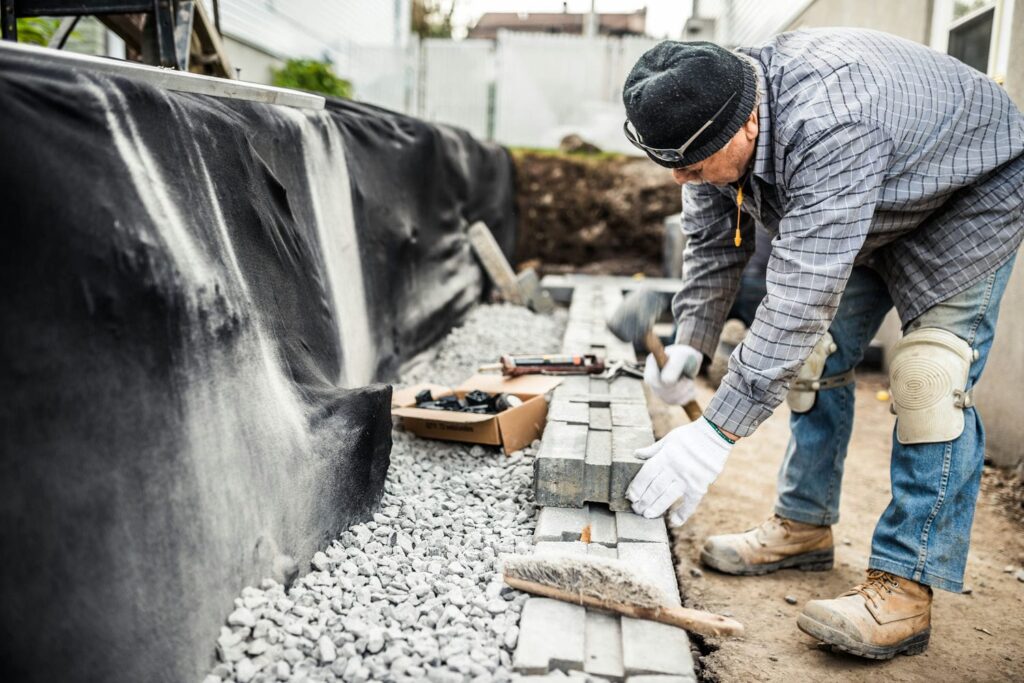
Retaining wall repairs work best when they address the root cause. If the problem is water pressure, you solve water. If the problem is settlement, you solve base stability. If the problem is loading, you solve the load and the wall design.
The right scope depends on how far the wall has moved and whether the movement is still active. This is where a clear inspection saves money, because it prevents you from paying twice.
When Targeted Repairs Can Work
Targeted repairs can make sense when movement is minor, localized, and caught early. In some cases, correcting water management at the surface, improving drainage performance, and rebuilding a small section can stabilize the system.
These repairs are most successful when the wall face is still mostly in line and the base is stable. The goal is to restore reliability without overbuilding or underbuilding.
When A Partial Rebuild Or Full Rebuild Is The Smarter Move
If the wall is noticeably leaning, bulging, separating, or continuing to move, a rebuild is often the safer long-term choice. This is especially true when the wall supports a driveway, entry path, stairs, or a heavily used patio where failure creates real safety and property risks.
A rebuild also gives you the chance to correct the “why,” not just the “what.” That usually means a better base, better drainage control, and a wall system matched to your site conditions and loads.
Quick Cosmetic Patches To Avoid
Cosmetic patches often fail because they do not change the forces behind the wall. Covering cracks with surface coating, re-gluing caps without addressing movement, or stacking decorative blocks in front of a leaning wall can hide the problem for a short time, then make the next failure more dramatic.
If you’re investing time and money, invest it in stability. That means diagnosing water, base, and load, then choosing the repair path that actually reduces pressure and movement.
Permits, Engineering, And Property Considerations
Retaining walls sit at the intersection of safety, drainage, and property planning. In Greater Vancouver, requirements can vary by municipality, and they can depend on wall height, location, and what the wall supports.
This is not the fun part of a project, but it’s part of a stress-free build. Clear requirements and a clear plan protect you from surprises later.
Permits And Engineering Requirements Vary By Municipality
Some municipalities require permits for certain retaining walls, and some situations call for engineering input, especially when walls are taller, close to property lines, or supporting significant loads. The safest approach is to check the rules where you live before you rebuild.
If you’re unsure, a contractor can often help you understand what typically applies, and what you should confirm with your local building department. It’s always easier to plan for requirements at the start than to backtrack mid-project.
A Local Example Homeowners Can Check
As one example, the City of Surrey provides retaining wall permit guidance that outlines when permits may be required and what supporting documentation can be involved. Use it as a reference point, then confirm the rules for your specific municipality.
Preventing The Next Failure When You Rebuild Or Replace
A rebuild is an opportunity to make the wall feel “done” for the long term. That means the wall performs well in wet seasons, looks clean, and fits the rest of the yard. It also means you’re not revisiting the same problem every year.
Prevention is not about one magic detail. It’s about a well-planned system: water control, stable base prep, and the right wall solution for the site.
Drainage And Water Management Done Early
Start with where water comes from and where it exits. Downspouts, slopes, and surface runoff patterns matter just as much as the wall itself. When water is controlled early, the wall is under less pressure and lasts longer.
This is also where small planning decisions pay off. A simple change in surface grading or runoff direction can reduce stress on the wall for years.
Matching The Wall Type To The Site
Not every wall is suited to every site. The right choice depends on height, soil conditions, access, loads at the top, and how much space you have behind the wall to build the system properly.
A good plan matches function and appearance. You want a wall that looks like it belongs in your yard, but also one that performs through wet winters without surprises.
Integrating The Wall With The Rest Of The Hardscape
Many retaining walls tie directly into patios, walkways, and driveways. That connection is where problems show up if details are rushed. When the wall and hardscape are planned together, you get better drainage, cleaner transitions, and a more finished look.
If your wall supports a patio area, it often makes sense to plan the space as one project so grades, steps, and drainage are consistent. That’s part of how we approach custom patio installation when walls, seating areas, and outdoor living zones connect.
Walkways are another common connection point, especially where a wall borders stairs or a sloped path. Clean edges, stable bases, and safe grades matter here, which is why stone walkway installation should be planned with the wall in mind, not added as an afterthought.
Get A Clear Plan Before The Wall Gets Worse
A retaining wall leaning or bulging is rarely “just aesthetic.” It’s usually a sign that water pressure, soil movement, or loading is pushing the wall beyond what it can reliably handle. The fastest path to a safe, good-looking outcome is a clear plan that addresses the cause first, then fixes the wall the right way.
Umbrella Constructions helps you move from uncertainty to an organized, stress-free build process with fixed-price contracts, a detailed build schedule, and structured updates with progress photos so you can enjoy every step of the journey. If you’re ready for a site-specific recommendation, start with our retaining wall installation services.
FAQs
Is A Leaning Retaining Wall Dangerous?
It can be, especially if the lean is new, increasing, or paired with bulging, cracks, or soil slumping above the wall. A wall that supports a driveway, stairs, or an entry path should be treated as higher risk because a failure affects safety and access. If you’re unsure, book an assessment and keep people away from the area in the meantime.
How Do I Know If My Retaining Wall Is Actually Moving?
Look for change over time. Take photos from the same spot and compare them after heavy rains. Widening cracks, growing gaps between blocks, caps shifting more, or a lean that becomes easier to notice are all signs the wall is actively moving, not just “old.”
What Causes A Retaining Wall To Lean In Rainy Weather?
In wet climates, saturated soil becomes heavier, and trapped water can build pressure behind the wall. Poor drainage details, settlement under the wall base, and extra load at the top (like driveways or storage) can also contribute. Most leaning walls have more than one cause at play.
Can A Failing Retaining Wall Be Repaired Without Rebuilding It?
Sometimes. If movement is minor and caught early, targeted repairs and water control may stabilize the wall. If the wall is bulging, significantly leaning, separating, or continuing to move, a partial rebuild or full rebuild is often the safer long-term option.
What Should I Do Immediately If I See Bulging Or New Cracks?
Treat it as a safety issue first. Keep people and pets away, avoid loading the area above the wall, and control water by redirecting downspouts and surface runoff away from the wall zone. Then book an on-site assessment so you can choose the right repair scope before the problem accelerates.
Do I Need A Permit To Rebuild A Retaining Wall In Metro Vancouver?
It depends on your municipality and the specifics of the wall, including height, location, and what it supports. Check local rules before rebuilding so your plan stays smooth. As one example, Surrey provides retaining wall permit guidance here.
How Long Should A Retaining Wall Last?
It depends on wall type, drainage performance, installation quality, and site conditions like soil and water exposure. A well-built wall with good water management should last for many years, while a wall that traps water or sits on a weak base can show movement much sooner. The best approach is to address small signs early.
Will Fixing Downspouts Help Stop Wall Movement?
Often, yes, as a first step. Reducing the amount of water entering the soil behind the wall can reduce pressure and slow further movement. However, downspout fixes may not reverse existing deformation. If the wall is already leaning or bulging, you still need a proper assessment to confirm what repair is required.